Skip to content
    • About
    • The Salutations

letters to my class

  • 21 October 2015

    October 21st, 2015

    hardword 10.21.15Dear Taskmasters,

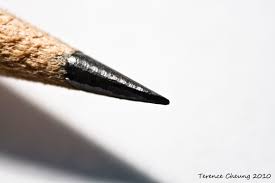
    Your goal in school is to learn to use your mind well. When you face a problem in the future, your greatest tool will be your mind. Now is your chance to put in a lot of practice to sharpen your mind.

    It’s helpful to think of your mind as a muscle that you can make stronger with lots and lots of practice. But it’s important that your practice is focused and useful. To be a better reader you have to make sure you’re reading and making meaning. To be a better writer, you have to make sure you’re challenging yourself to do the best writing you can do. To be a better problem solver, you need to make sure you’re engaged and actively trying to solve a problem in creative ways.

    It’s not easy. But it’s worth the effort.

    Sincerely,

    Mr. H

  • 20 October 2015

    October 20th, 2015

    cartographers10.20.15Dear Cartographers,

    Today we’ll make a map of our classroom. The main job of mapmakers is the same main job of readers, writers, mathematicians, and problem solvers: figure out what’s most important.

    We can’t include everything from our classroom in our map. We have to make decisions about what objects make our classroom into a classroom. What items are essential to “classroom-ness”?

    Mapmakers also add things to their maps. In the real world, there’s no line between Colorado and Wyoming, but on a map it is essential.

    We’ll also make our maps to scale. That means we’ll shrink everything in our classrooom down in the exact same way and fit it on a piece of paper.

    Sincerely,

    Mr. H

  • 19 October 2015

    October 19th, 2015

    fall10.19.15Dear Students,

    When I was younger I didn’t always appreciate the changes that happen with the seasons. To be honest, I don’t always now. But over fall break I tried to a little bit more. My daughters and I had a lot of fun walking around our neighborhood looking at the shapes and colors of fallen leaves. I hope you also had a great spring break.

    Humans are made to enjoy the changes that happen throughout the year. Our lives are based on it. It’s no coinicidence that our holidays match the changing seasons so closely. Halloween and Thankgiving are celebrations of the harvest. If you went to a pumpkin patch over your fall break, you were taking part in a celebration.

    I’m excited to be back. Let’s have a great day.

    Sincerely,

    Mr. H

  • 9 October 2015

    October 9th, 2015

    watsonsfilm 10.9.15Dear Film Buffs,

    Today we’ll watch the movie The Watsons Go to Birmingham. As we do, think about all the ways it’s different from the book. Movies have many more limitations than books. In books, the incredible can happen. In movies, it all has to fit the budget and appeal to a mass audience.

    But we can still learn a lot from watching movies. What’s important is that we use our minds well in all situations. Whether its books or movies, picking out what clothes to wear, or setting your fantasy football lineup, always use a critical mind. We don’t just do it in school. We practice using our minds well in school so we can do it everyday for the rest of our lives.

    Sincerely,

    Mr. H

  • 8 October 2015

    October 8th, 2015

    socrates 10.8.15Dear Students,

    You have one big choice you have to make in life: will you remain open-minded to the world and its people or will you assume that you know everything there is to know? Will you let people surprise you and allow them to change or will you think people who are they are and will always remain that way?

    I know I’m often tempted to take the second choice, but I also know it makes me miserable.

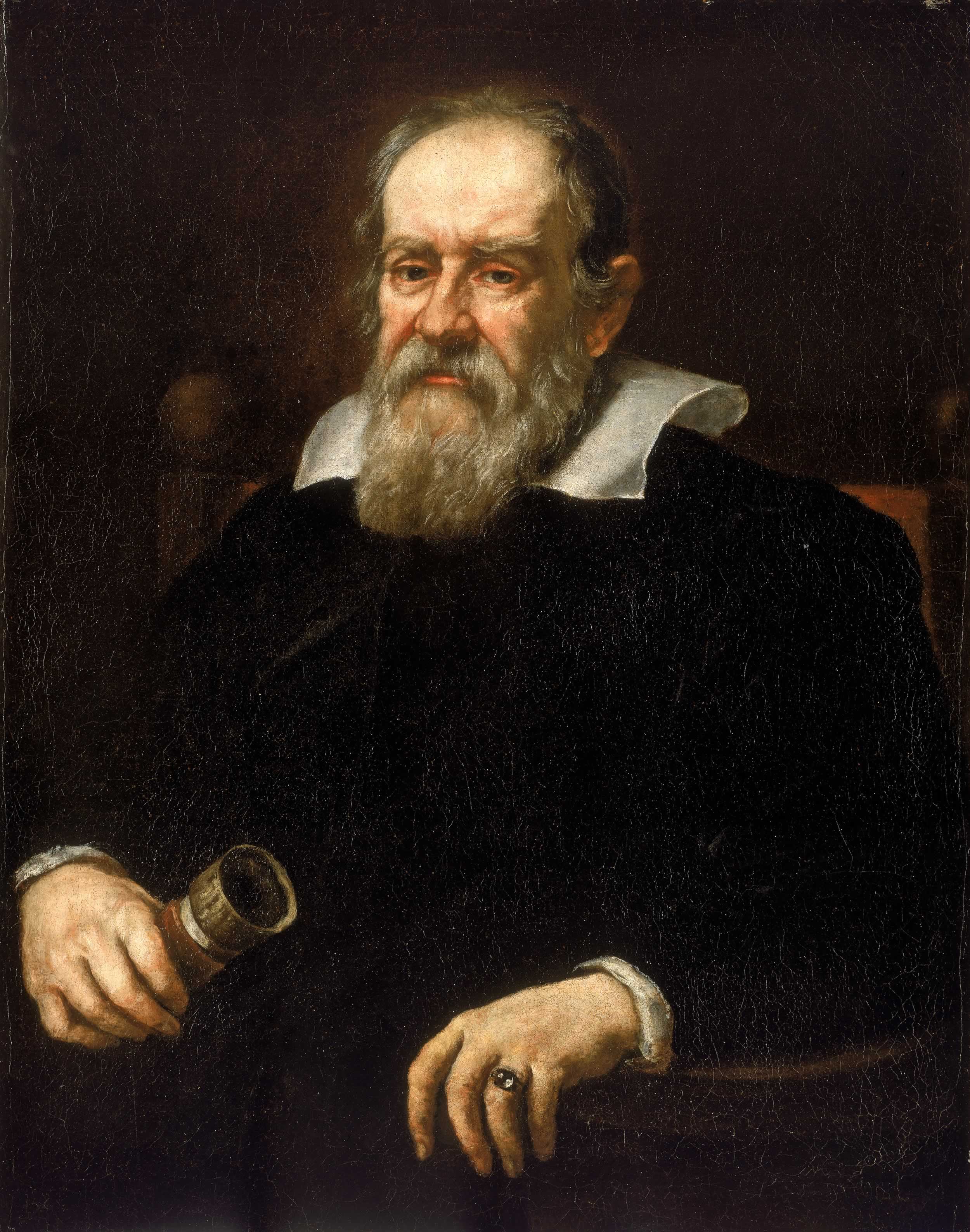
    Socrates says that “Wisdom begins in wonder.” It’s easy to let ourselves believe that learning and education should make us certain about the world, but really, the more we learn, the more we see there is to learn. It’s a lifelong endeavor.

    Sincerely,

    Mr. H

  • 7 October 2015

    October 7th, 2015

    conversation10.7.15Dear Talkers,

    We learn by reading and writing, but we also learn by talking and listening. Outside of school, not many people read a book and then write a book report about it. They talk to their fellow readers about it, give their opinion, and ask their friends what they think. The back and forth of conversation makes us reevaluate our opinion and think deeply about what’s really true.

    When we have discussions in class, it’s important that you use that time to ask challenging and relevant questions of the person you’re talking to and use their questions to think more deeply about the topic.

    There aren’t many “right answers” in life. We’re trying to find out what’s really true in the world, and that answer key has not been, and never will be, written.

    Sincerely,

    Mr. H

  • 6 October 2015

    October 6th, 2015

    azteccalendar10.6.15Dear Artists,

    This week we’ll take a whirlwind tour of the ancient civilizations of the Americas–Mayan, Aztec, Anasazi, and Moundbuilders. We’ll see that agriculture played the central role in these civilizations  because it allowed many people to stop farming and begin new areas of human development–architecture, writing, science, math, and art.

    I think there’s something centrally human about making art. Instead of merely making the things we need to survive, we like to make them in a way that is beautiful, a way that speaks to some sort of ideal world we all wish we coud live in. Look at the calendar the Aztec made hundreds of years ago. It’s not just squares in a grid, it’s something much more beautiful.

    Humans don’t just make buildings, we create architecture. We don’t make sounds, we make music. We don’t just move our bodies, we dance.

    Sincerely,

    Mr. H

  • 5 October 2015

    October 5th, 2015

    Dear Cultural Historians,

    Today we’ll continue to think about how the United States is broken up into physical regions. Through reading closely and widely about these regions, we’ll begin to learn about how people in different places in the United States live. These are called human or cultural regions.

    Why do geographers create regions? To better understand a place, and there is a lot to understand. What people do, how people act, what people believe, what people eat, how people behave–these are all influenced by where people live and in turn, impact the places themselves.

    To show how much you know about the culture and geography of the United States, you’ll create your own regions, based on cultural and physical characteristics. As geographers, you’ll do this to understand how the United States works.

    Sincerely,

    Mr. H

  • 2 October 2015

    October 2nd, 2015

    watsons 10.2.15Dear Empathizers,

    Books and learning let us see the world from other times and places. Only ever living in our own place and own time is an impoverished life. Humans are meant to try to understand the world from many other points of view. Books let us do that.

    Through books we can imagine what life was like for an African-American family in Flint, MI in 1963; we can imagine what life was like for newly arrived immigrants passing by the Statue of Liberty; we can even imagine what life was like for those First Americans as they tried to chase bison over cliffs using only rocks and their own two legs.

    Living the good life is an act of imagination.

    Sincerely,

    Mr. H

  • 1 October 2015

    October 1st, 2015

    fibonacci 10.1.15Dear Mathematicians,

    We’ve learned a lot of new strategies for multiplying and dividing numbers. The important thing to remember is that these strategies aren’t only so you can quickly and accurately arrive at the correct answer. When learning these strategies, they might seem confusing and awkward. But over time you’ll begin to understand the concepts behind them, and you’ll find yourself using them to solve problems mentally.

    We want you to learn to think about numbers in deep ways. We want you to understand how numbers and operations work, so you can use numbers to solve more complex problems in the future.

    Math isn’t really about numbers. It’s about thinking in patterns. Numbers just happen to be a useful tool we use to talk about and model these patterns.

    Sincerely,

    Mr. H

←Previous Page
1 … 87 88 89 90 91 … 105
Next Page→

Blog at WordPress.com.

Loading Comments...
  • Subscribe Subscribed
    • letters to my class
    • Join 34 other subscribers
    • Already have a WordPress.com account? Log in now.
    • letters to my class
    • Subscribe Subscribed
    • Sign up
    • Log in
    • Report this content
    • View site in Reader
    • Manage subscriptions
    • Collapse this bar