• About
    • The Salutations

letters to my class

  • 25 February 2016

    February 25th, 2016

    coloniallife2.25Dear Historians,

    Knowing about the past takes a lot of imagination. We have to imagine what life was like for these colonists in New England. We do that through studying texts, knowing facts about the time and place, and empathizing with the people.

    And it’s not just the famous figures that we should empathize with. We’re interested in understanding everyday life for the common people in the colonies because it was these lives that would eventually rise up against colonial rule and fight for independence.

    Today be thinking about the forces that led to the War for Independence. What did these everyday people in this new land want for themselves? What were they willing to sacrifice to get it?

    Sincerely,

    Mr. Heimbuck
     

  • 24 February 2016

    February 24th, 2016

    code2.24Dear Humans,

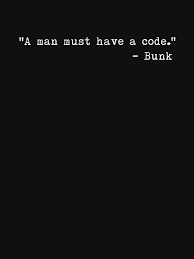
    In our house, we’ve established a simple mantra that we say every morning and throughout the day:

    Be smart. Be safe. Be respectful.

    It’s a  reminder of the type of people we strive to be. We usually fall short, but we try again the next day. Our code keeps us on the path.

    There are many other worthwhile qualities you could strive for, but that’s we what chose for ours.

    A man or woman must have a code. What’s yours?

    Sincerely,

    Mr. Heimbuck

  • 23 February 2016

    February 23rd, 2016
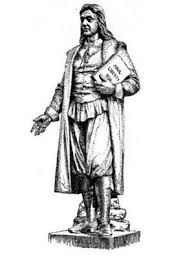
    rogerwilliams2.23
    “His name is Roger Williams/Man, he’s got soul”

    Dear Questioners,

    We talked about the big questions that humans have asked for millenia: “What is the good?” “What is happiness?” and “What is justice?” We mostly wrestle with these questions in texts–histories, poems, essays, stories, novels. Our job as scholars is to read those texts, think about them, and see what they have to say about these Big Questions.

    It’s nice to know what year Roger Williams founded Rhode Island, but what’s really important is to think about the Big Questions Roger Williams’s life and experience ask: “What is freedom?” “What is conscience?” “How should we make rules?” Through wrestling with these big questions, we just naturally learn the facts that go with them.

    As you learn, you leave behind your own thoughts on the Big Questions–maybe in what you write and publish, but mostly in the life that you live.

    Sincerely,

    Mr. Heimbuck

  • 22 February 2016

    February 22nd, 2016

    fortune cookie2.22Dear Scholars,

    The other day I opened a fortune cookie that said, “Only the educated are truly free.” Sometimes fortune cookies just know–they put into words what you’ve suspected your whole life.

    Education and learning is the key to seeing “the more” in the world. The world is so much bigger than us. It reaches far back into the past and deep into the infinity of the universe. To try to understand those times and places is the highest form of freedom.

    Our circumstances might sometimes be stinky, but books and ideas can help us go beyond them. And perhaps, they can help us change them.

    Sincerely,

    Mr. Heimbuck

  • 19 January 2016

    January 19th, 2016

    Dear Humsunbear1.19an Body Dwellers,

    Today we’ll begin studying the human body. The human body is an organism and like all organisms, everything it does it does to survive.

    Living creatures have developed a lot of fascinating and creative ways to stay alive in the world. Anytime you see one of these strange adaptations, you should always ask the same question: how does this help the organism survive?

    No matter how silly an animal’s adaptation may look (and there are certainly some silly looking animals out there) the purpose is to help the organims survive.

    Sincerely,

    Mr. Heimbuck

  • 14 January 2016

    January 14th, 2016
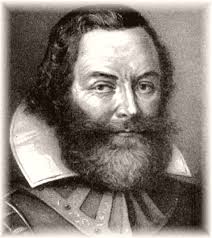
    johnsmith1.14
    John Smith–Just another dude.

    Dear Imaginers,

    I always say living the Good Life requires a lot of imagination. You have to be willing to see yourself and the world in new ways. You have to be able to imagine a future that doesn’t seem likely.

    Understanding the past also requires a lot of imagination. Today we’ll simulate a meeting in Jamestown. To know what life was like back then, you have to use your imagnation. You have to empathize with the people making the choices. And although much has changed in 400 years, people still are people. And each of you is an expert in understanding that.

    Sincerely,

    Mr. Heimbuck


  • 13 January 2016

    January 13th, 2016

    delcaration1.13.jpgDear Citizens,

    Jamestown was the first permanent English settlement. As we’ve learned, the early days of that settlement were rough. Most of the colonists suffered and died.

    But people kept coming over. People saw something in America that attracted them. I think it was opportunity, hope, and the chance to make their own future.

    One-hundred fifty years later, our founders put these hopes into words:

    “We hold these truths to be self-evident, that all men are created equal, that they are endowed by their Creator with certain unalienable Rights, that among these are Life, Liberty and the pursuit of Happiness…”

    We still argue over what these words mean and we’re still trying to make sure we live up to them. But they’re the foundation for the great experiment that America is and continues to be.

    Sincerely,

    Mr. Heimbuck

  • 12 January 2016

    January 12th, 2016

    Dear Learners,

    Tpencil1.12here’s an old saying attributed to Oliver Cromwell, an English military leader, in which he told his men to “Trust in God and keep your powder dry.” Powder, of course, is gun powder, and Cromwell was urging his men to be prepared to spring into action at any moment.

    We don’t have powder in school, but we do have pencils. And I think “Keep your pencils sharp” is a perfect slogan for us. This means more than merely keeping your graphite to a tip. It means always being prepared to learn new things; it means trusting in yourself that you’re smart enough to learn these things; and it means always being willing to put in the effort that it takes to learn these new things.

    Most of all, it’s believing that learning about the world is humanity’s greatest achievement. When you take part in it, you’re taking part in something great.

    Sincerely,

    Mr. Heimbuck

  • 11 January 2016

    January 10th, 2016

    Dear Humans,

    lunch1.11.jpgEating lunch alone stinks. The food tastes bland, the texture’s slimy, and it gets lukewarm really, really quick.
    We don’t have to look too far to see bad things going on in the world. If we see enough bad things and we’re always eating lunch alone, we might think the world is a cold, heartless place.

    But really the world’s mostly just other people. You’re other people, and I’m other people. So we a lot of power over the type of world we create.

    So today, make sure nobody eats lunch alone.

    Sincerely,

    Mr. Heimbuck

  • 8 January 2016

    January 8th, 2016

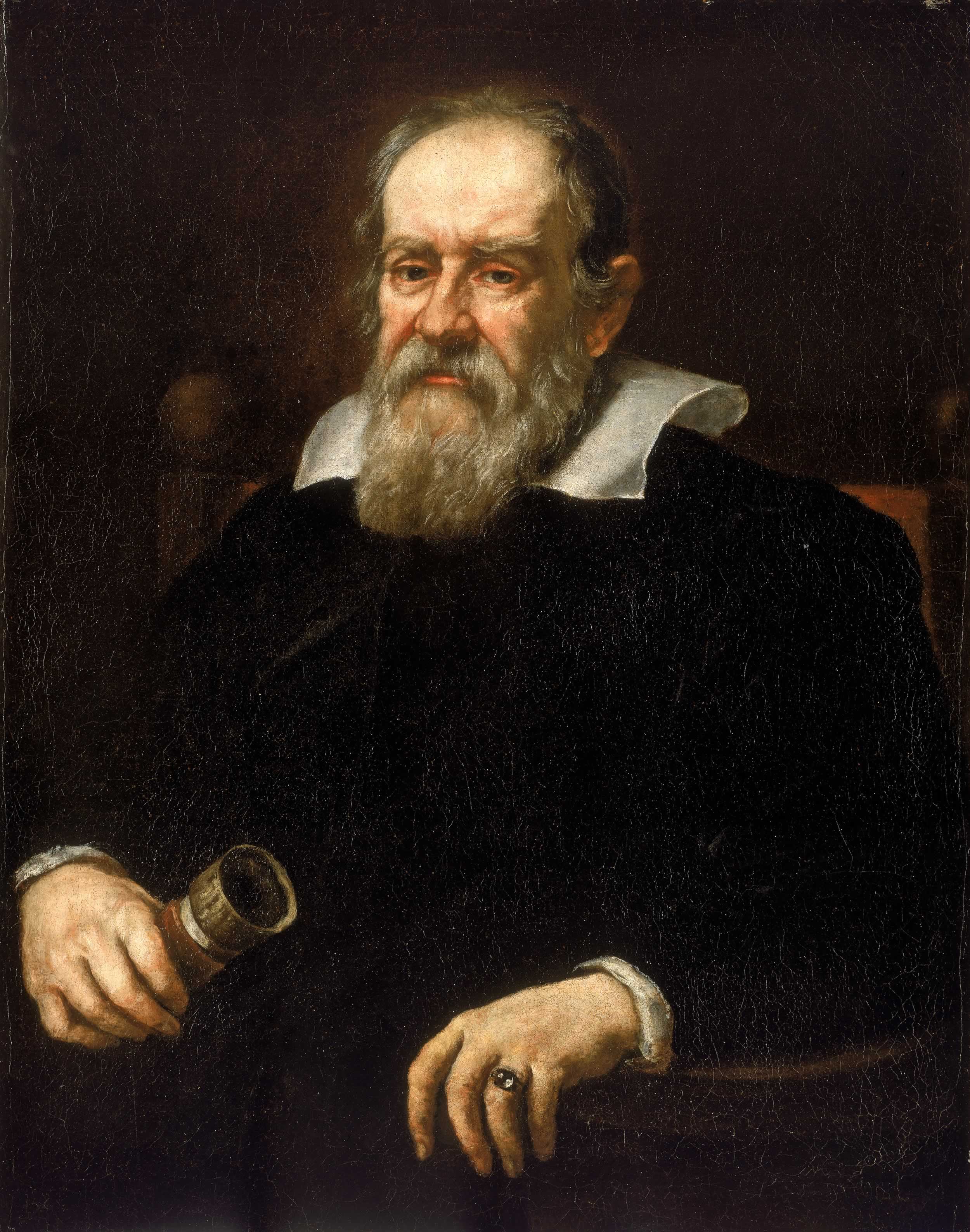
    galileo1.8.16Dear Individuals,

    We’ve been reading about the class-based society of New Spain. In that culture, you were born poor or rich or middle class and people believed that was just the way it was supposed to stay. Kings were kings and slaves were slaves.

    But things were happening in the 1600s and 1700s that challenged these ideas. Scientists were looking through telescopes and reordering the skies; philosphers were thinking about existence and justice; and writers and artists were representing what human life was really like.

    These forces all joined together to lead to big revolutions based on the idea that all people are created equal.

    Sincerely,

    Mr. Heimbuck

←Previous Page
1 … 84 85 86 87 88 … 103
Next Page→

Blog at WordPress.com.


Loading Comments...
 

    • Subscribe Subscribed
      • letters to my class
      • Join 34 other subscribers
      • Already have a WordPress.com account? Log in now.
      • letters to my class
      • Subscribe Subscribed
      • Sign up
      • Log in
      • Report this content
      • View site in Reader
      • Manage subscriptions
      • Collapse this bar